
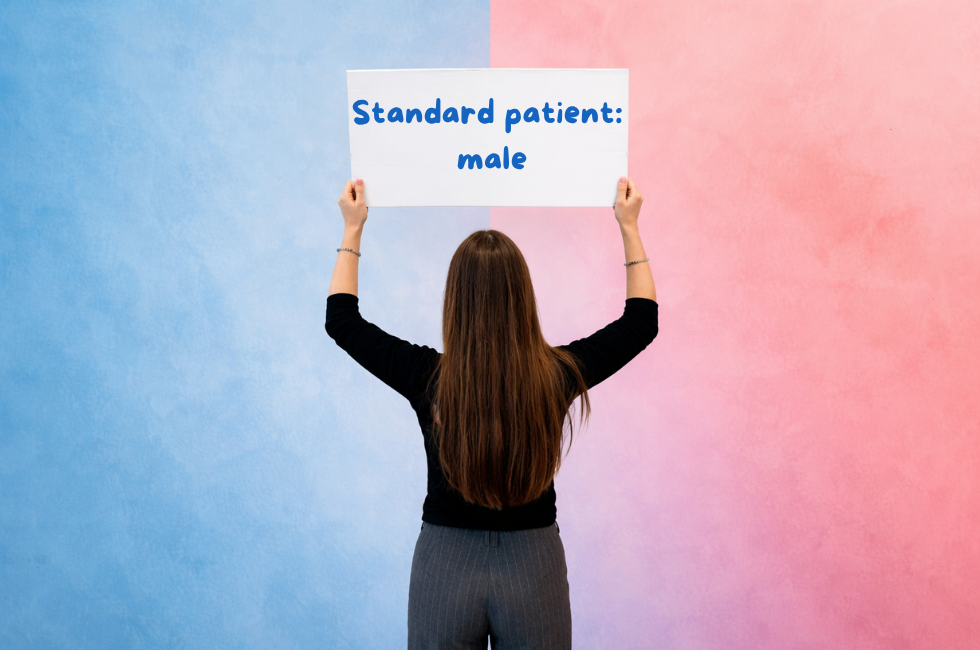
Gender medicine is more than just a modern buzzword. It describes an evidence-based approach that takes into account that diseases can differ in frequency, symptoms, progression, and treatment among women, men, and people with diverse gender identities. For decades, the male body was considered the norm in medicine. Many clinical studies were conducted predominantly with men, and their results were subsequently generalized. Today, it is well established that this one-sided perspective can lead to relevant differences in diagnosis and treatment.
Cardiovascular diseases provide a central example. Heart attacks are often associated with sudden, severe chest pain radiating into the left arm. However, this “classic” symptom profile primarily applies to men. Women more often report shortness of breath, nausea, vomiting, back pain, or pronounced fatigue during a heart attack. These symptoms are less specific and are therefore often misinterpreted or evaluated with delay. Studies show that, as a result, women are treated later on average, which can negatively affect their prognosis.
Gender-specific differences are also evident in pain medicine. Men often seek medical help later when experiencing pain, which can lead to diseases being diagnosed only at more advanced stages. Women, on the other hand, more frequently suffer from chronic pain syndromes such as migraine, fibromyalgia, or irritable bowel syndrome. At the same time, their pain is sometimes taken less seriously in medical consultations or more quickly classified as “psychologically related.” Gender medicine helps to identify such patterns and to adapt care accordingly.
Another illustrative example concerns the effects of medications. Women have, on average, a higher body fat percentage, different enzyme activity in the liver, and a different hormonal balance. These factors influence how medications are absorbed, distributed, and metabolized. For example, it is known that certain sleep aids and sedatives have a longer duration of action in women and more frequently lead to side effects such as daytime drowsiness. Nevertheless, dosing recommendations were long based on the average male body. Only through gender medicine research has it become increasingly clear that differentiated dosing can improve safety and effectiveness.
Mental health conditions also play an important role in gender medicine. Depression is diagnosed more frequently in women, while men have a significantly higher risk of suicide. One reason for this lies, among other factors, in different expressions of psychological distress and in social role models that influence whether and how help is sought. Gender medicine takes these social factors into account and helps to make diagnostics and prevention more targeted.
For you as a patient, gender medicine primarily means that your individual symptoms and life circumstances should be taken seriously—even if they do not match the “textbook.” A conscious awareness of your own body and the medications you take can help you detect changes at an early stage. Digital applications such as the mediteo app support you in everyday life by helping you keep track of your medication and by presenting information in an understandable way. In this way, gender medicine knowledge can contribute in a very practical sense to making your healthcare safer and more individualized.
Sources
-
Robert Koch-Institut (RKI). Gesundheitliche Lage von Frauen und Männern in Deutschland. Beiträge zur Gesundheitsberichterstattung des Bundes. Berlin: RKI.
https://www.rki.de/DE/Content/Gesundheitsmonitoring/Gesundheitsberichterstattung/Gender/gender_node.html -
World Health Organization (WHO). Gender and health. Fact sheets and policy guidance.
https://www.who.int/health-topics/gender -
Regitz-Zagrosek V (Hrsg.). Sex and Gender Differences in Cardiovascular Disease. Sex and Gender Differences in Cardiovascular Disease
-
Mehta LS et al. Acute Myocardial Infarction in Women: A Scientific Statement From the American Heart Association. Circulation. 2016;133(9):916–947.
https://www.ahajournals.org/doi/10.1161/CIR.0000000000000351 -
Zucker I, Prendergast BJ. Sex differences in pharmacokinetics predict adverse drug reactions in women. Biology of Sex Differences. 2020;11:32.
https://bsd.biomedcentral.com/articles/10.1186/s13293-020-00308-5 -
Soldin OP, Mattison DR. Sex differences in pharmacokinetics and pharmacodynamics. Clinical Pharmacokinetics. 2009;48(3):143–157.
https://link.springer.com/article/10.2165/00003088-200948030-00001 -
World Health Organization (WHO). Depression and Other Common Mental Disorders: Global Health Estimates. Geneva: WHO; 2017.
https://www.who.int/publications/i/item/depression-global-health-estimates
Back to the blog.