
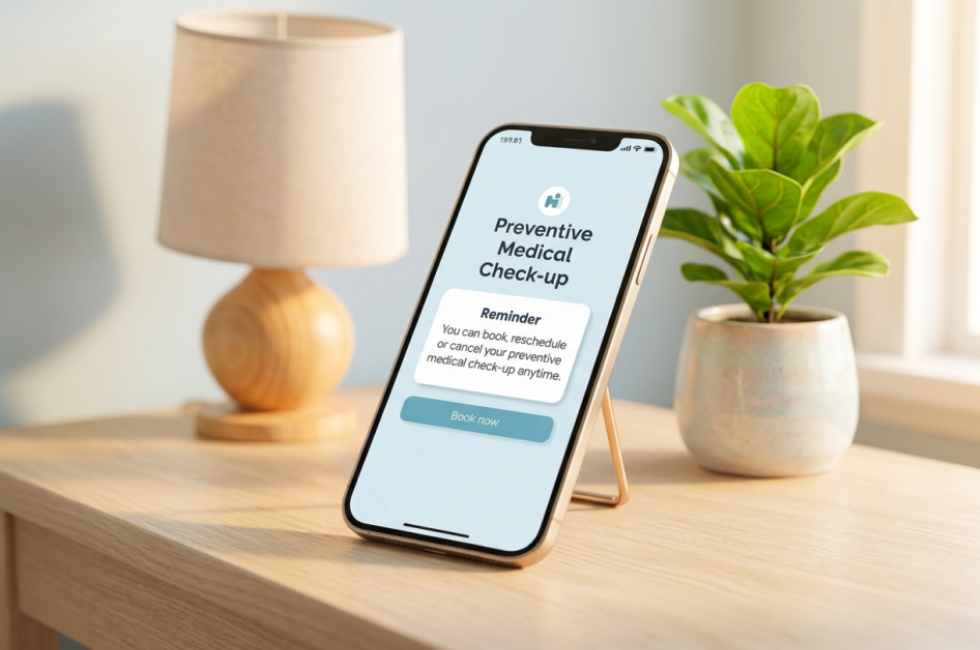
Many diseases develop unnoticed over the course of years. Since symptoms are often absent at first or only mild, even serious diseases frequently remain undetected for a long time. This is where preventive checkups come in: They systematically help to detect certain diseases early and then treat them. Diseases such as cancer, diabetes, or cardiovascular diseases can often be treated much more effectively if they are detected early. Prevention therefore means not only detecting diseases, but also actively preventing or delaying their development.
Why prevention is so important
Numerous scientific studies and recommendations show that regular preventive checkups can significantly reduce the burden of disease and mortality. For example, it has been shown that colorectal cancer screening programs can significantly reduce mortality. Early diagnosis also significantly improves the chances of successful treatment for breast cancer or cervical cancer. Institutions such as the Robert Koch Institute (RKI) and the World Health Organization (WHO) therefore emphasize the central role of prevention in healthcare.
Which examinations are important?
Which preventive checkups are useful depends primarily on age and sex. For children and adolescents, there are standardized pediatric and adolescent preventive checkups, which are known in Germany as U and J checkups and which monitor physical and mental development. From adulthood onward, the focus is primarily on cardiovascular diseases, metabolic disorders, and cancer screening.
For women, regular participation in breast cancer screening, (for example mammography screening and palpation examinations), is recommended from a certain age, while men should pay particular attention to prostate cancer screening. For both sexes, colorectal cancer screening is very important from the age of 50. In addition, general health checkups to monitor blood pressure, blood glucose, and cholesterol are among the important measures that can help prevent diseases in the long term.
Who covers the costs?
A common misconception is that preventive checkups are associated with high costs. In fact, statutory health insurance funds in Germany cover a large part of the recommended examinations. These include, among others, the general health checkup and cancer screening examinations. The exact services covered may vary depending on age and individual situation, but they are clearly regulated.
Everyday barriers and how you can overcome them
Despite the known benefits, many people do not make use of preventive healthcare services. Common reasons include lack of time, forgetfulness, or uncertainty and fear of possible diagnoses. These barriers are understandable, but they can often be overcome with simple strategies. Scheduling fixed appointments in your calendar, combining them with other routine visits to the doctor’s office, or having an open conversation with your primary care physician can help reduce barriers. Knowing that you are actively doing something for your own health can also be motivating.
Take action now
Prevention is not a one-time event, but an ongoing process. The first step is often the most important: Make an appointment for a screening examination that is due and find out about the services relevant to you (e. g., at Cancer screening examinations| gesund.bund.de). The earlier you start, the better you can protect your health in the long term.
In everyday life, it can be helpful to remind yourself of upcoming examinations. Digital tools such as the mediteo app offer a simple way to keep track of appointments and health routines — a little support that can help you integrate prevention naturally into everyday life.
Sources
-
Screening programmes: a short guide. Increase effectiveness, maximize benefits and minimize harm
-
Which screening examinations are covered by statutory health insurance?
Back to blog.